
Understanding Peripheral Arterial Diseases: Causes, Symptoms, and Treatment
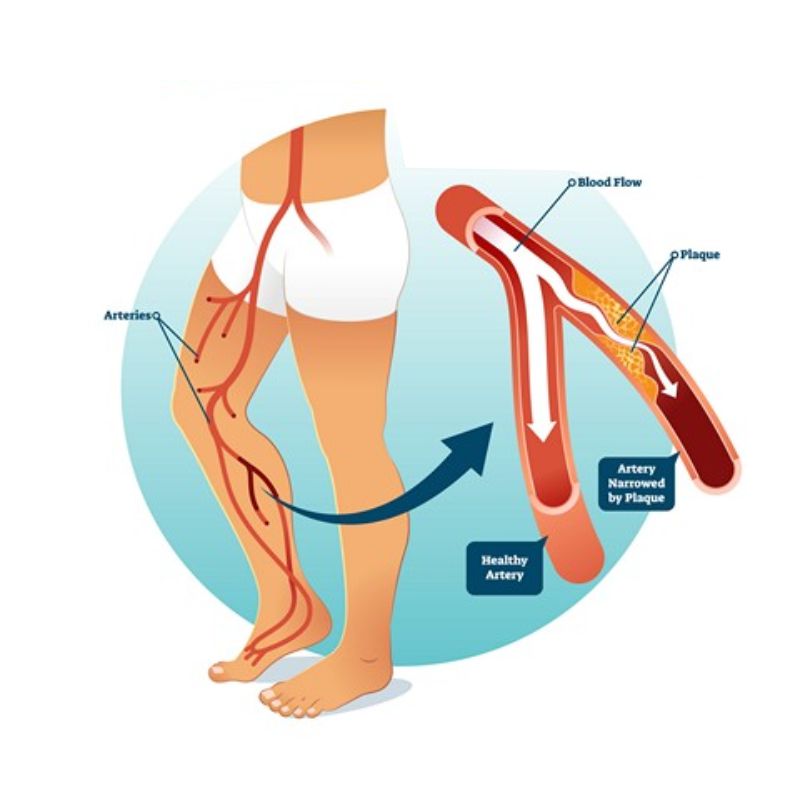
The circulatory system serves as the body’s internal highway, ferrying oxygen and nutrients to every cell. However, when the arteries carrying this essential cargo become compromised, it can lead to a condition known as peripheral arterial disease (PAD). PAD encompasses a range of disorders affecting the arteries outside the heart and brain, primarily impacting the arteries of the limbs.
Causes and Risk Factors
PAD often develops due to atherosclerosis, a process where arteries become narrowed and hardened due to the buildup of plaque. This plaque is mainly composed of cholesterol, calcium, and other substances found in the blood. Over time, this accumulation restricts blood flow, leading to symptoms and complications.
Several factors contribute to the development of PAD:
- Smoking: Tobacco use significantly increases the risk of PAD.
- Diabetes: High blood sugar levels can damage blood vessels.
- High Blood Pressure and Cholesterol: Elevated levels of these can contribute to plaque buildup.
- Age and Genetics: Advancing age and a family history of vascular diseases can increase susceptibility.
Symptoms
PAD often manifests through symptoms in the legs and occasionally the arms, indicating reduced blood flow to these extremities. Common signs and symptoms include:
- Claudication: Pain, cramping, or fatigue in the legs during physical activity, typically relieved by rest.
- Numbness or Weakness: Reduced sensation or muscle strength.
- Non-healing Sores: Wounds on the legs or feet that heal slowly or not at all.
- Coldness or Discoloration: Decreased temperature or changes in skin color of the affected limb.
It’s important to note that some individuals with PAD may remain asymptomatic or experience atypical symptoms, underlining the necessity of regular check-ups for early detection.
Diagnosis and Treatment
Medical professionals employ various tests to diagnose PAD, including ankle-brachial index (ABI) measurements, ultrasounds, and angiography to assess blood flow and pinpoint affected areas.
Treatment strategies for PAD aim to manage symptoms, halt the progression of the disease, and reduce the risk of complications such as heart attack and stroke. Lifestyle changes like smoking cessation, adopting a heart-healthy diet, and regular exercise play pivotal roles in managing PAD.
Additionally, medications like antiplatelet agents, cholesterol-lowering drugs, and medications to control blood pressure may be prescribed. In severe cases, surgical interventions such as angioplasty or bypass surgery might be necessary to restore blood flow to the affected limbs.
Conclusion
Peripheral arterial diseases like PAD significantly impact an individual’s quality of life and pose substantial risks if left untreated. Early detection, lifestyle modifications, and appropriate medical interventions are crucial in managing the condition and mitigating its complications. Seeking timely medical advice and adopting a proactive approach toward vascular health remain pivotal in combating this widespread condition.
Remember, consulting a healthcare professional for personalized guidance and treatment plans is essential for individuals experiencing symptoms or at risk of PAD. With proper care and management, individuals diagnosed with PAD can lead fulfilling lives, maintaining optimal vascular health.