
Exploring the Significance of Carotid Arteries: Functions, Conditions, and Treatments
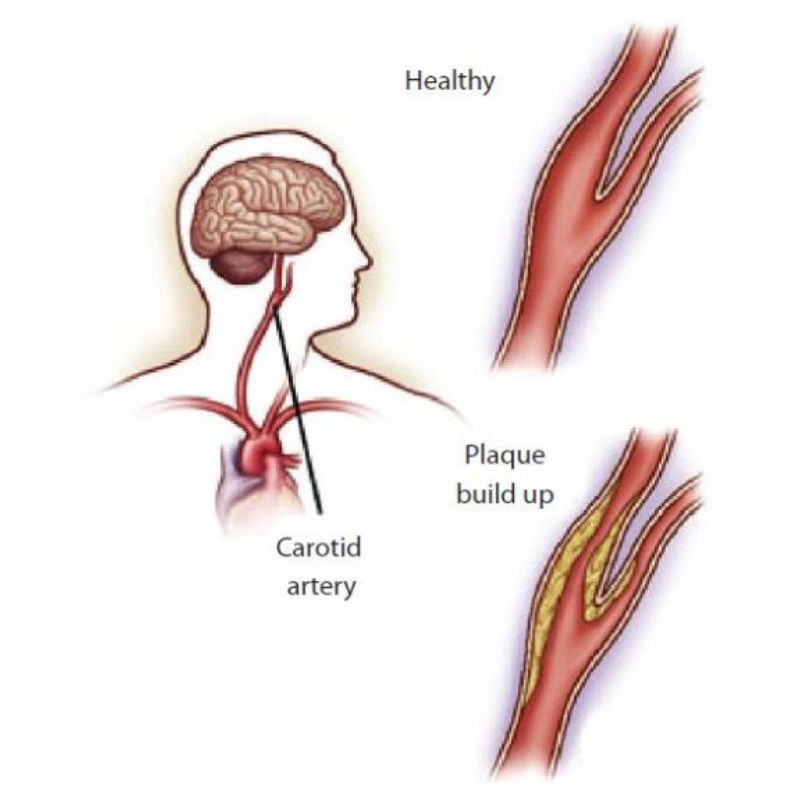
The carotid arteries, located on either side of the neck, are crucial blood vessels that supply oxygenated blood to the brain, head, and neck. Understanding the functions, potential conditions affecting these arteries, and available treatments is essential in comprehending their role in maintaining optimal brain health.
Functions of Carotid Arteries
The carotid arteries serve a vital function in the body’s circulatory system:
- Blood Supply to the Brain: Carotid arteries deliver oxygen-rich blood to the brain, ensuring its proper functioning.
- Regulation of Blood Flow: They play a role in regulating blood pressure and blood flow to the head and neck.
Common Conditions Affecting Carotid Arteries
Several conditions can impact the health and functionality of the carotid arteries:
- Atherosclerosis: The buildup of plaque, comprised of cholesterol and other substances, can narrow or block the carotid arteries, increasing the risk of stroke.
- Carotid Artery Stenosis: Narrowing of the carotid arteries due to plaque buildup, reducing blood flow to the brain.
- Carotid Artery Dissection: A tear in the inner lining of the carotid artery, which can result in a stroke.
- Carotid Artery Aneurysm: Weakening and bulging of the artery wall, potentially leading to a rupture.
Symptoms and Diagnosis
Symptoms of carotid artery conditions might include:
- Transient Ischemic Attack (TIA): Temporary episodes of neurological dysfunction, often a warning sign of a possible stroke.
- Stroke: Sudden weakness, numbness, difficulty speaking, or vision problems.
- Silent Symptoms: Carotid artery conditions can sometimes be asymptomatic, making regular check-ups and screenings crucial for early detection.
Diagnosis often involves imaging tests such as ultrasound, CT scans, or magnetic resonance angiography (MRA) to assess the extent of blockages or abnormalities in the carotid arteries.
Treatment and Management
Management of carotid artery conditions typically involves a combination of lifestyle modifications, medications, and surgical interventions:
- Medications: Blood thinners, antiplatelet drugs, or cholesterol-lowering medications may be prescribed to manage underlying conditions and reduce the risk of stroke.
- Lifestyle Changes: Healthy diet, regular exercise, smoking cessation, and blood pressure control are pivotal in managing carotid artery conditions.
- Surgical Interventions: Procedures such as carotid endarterectomy (surgical removal of plaque) or carotid angioplasty with stenting may be performed to restore proper blood flow in severe cases.
Conclusion
The carotid arteries serve as critical conduits for delivering oxygenated blood to the brain and play a pivotal role in maintaining neurological health. Conditions affecting these arteries can significantly impact brain function, highlighting the importance of regular check-ups, early detection, and prompt intervention when necessary.
Understanding the risk factors, symptoms, and available treatments for carotid artery conditions empowers individuals to take proactive steps in managing their vascular health and reducing the risk of stroke or other severe complications associated with these vital blood vessels.