
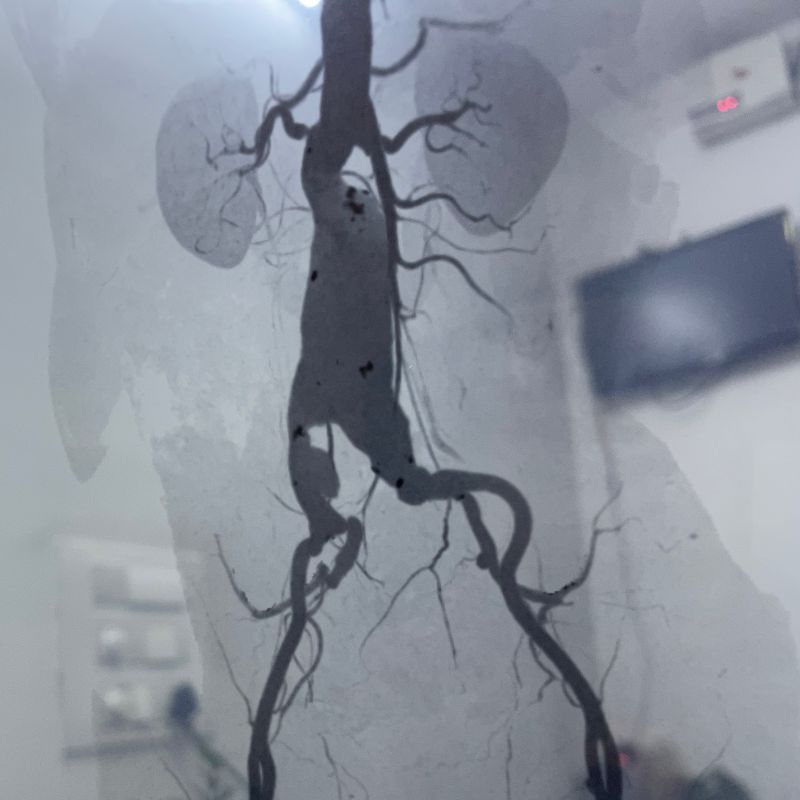
Understanding Abdominal Aortic Aneurysm: Causes, Symptoms, Diagnosis, and Treatment
The abdominal aorta, the largest artery in the abdomen, can sometimes develop a weakened area that bulges outward, forming an abdominal aortic aneurysm (AAA). This condition requires understanding its causes, potential symptoms, methods of diagnosis, and available treatments to address this potentially life-threatening issue.
Causes and Risk Factors
The precise cause of AAA isn’t always clear, but several factors contribute to its development:
- Atherosclerosis: Buildup of plaque in the arteries, weakening the arterial wall.
- Age and Gender: More common in men over 65 years old.
- Family History: Genetic predisposition can increase the risk.
- Tobacco Use: Smoking significantly elevates the risk of AAA.
- High Blood Pressure: Hypertension can weaken the artery walls over time.
Symptoms and Complications
AAA often remains asymptomatic, but in some cases, it can lead to:
- Pain: Dull or sudden severe pain in the abdomen, back, or flank.
- Pulsating Mass: A pulsating sensation in the abdomen might be felt in advanced cases.
- Rupture: A ruptured AAA can cause severe, life-threatening bleeding.
Asymptomatic AAAs are typically discovered incidentally during imaging tests performed for other reasons.
Diagnosis and Screening
Screening for AAA involves imaging tests like ultrasound, CT scans, or MRI. For individuals at risk, routine screenings are recommended, especially for men aged 65-75 who have ever smoked, to detect and monitor the condition early.
Treatment Options
Treatment strategies for AAA vary based on the size, location, and individual’s health condition:
- Monitoring: Small AAAs might only require regular monitoring via imaging to track any changes in size.
- Surgery: Large or fast-growing AAAs might require surgical intervention to prevent rupture. This can involve open surgical repair or endovascular repair, where a stent graft is placed to reinforce the weakened artery wall.
- Medications: Blood pressure control and medications to reduce cholesterol levels may be prescribed to manage risk factors.
Prevention and Management
Preventing AAA involves managing risk factors:
- Smoking Cessation: Quitting smoking significantly reduces the risk of AAA.
- Healthy Lifestyle: Maintaining a balanced diet, regular exercise, and managing blood pressure and cholesterol levels are key preventive measures.
- Screening: Routine screenings for those at higher risk can help detect and manage AAAs before they become life-threatening.
Conclusion
Abdominal aortic aneurysm poses a significant risk, particularly due to its potential for rupture, which can be fatal. Understanding the risk factors, symptoms, and available treatment options is crucial for early detection and management.
Regular screenings for at-risk individuals, along with lifestyle modifications and proper medical management, are essential in preventing the development or progression of AAA, significantly improving the chances of successful treatment and reducing associated risks.